
Where wine becomes memory
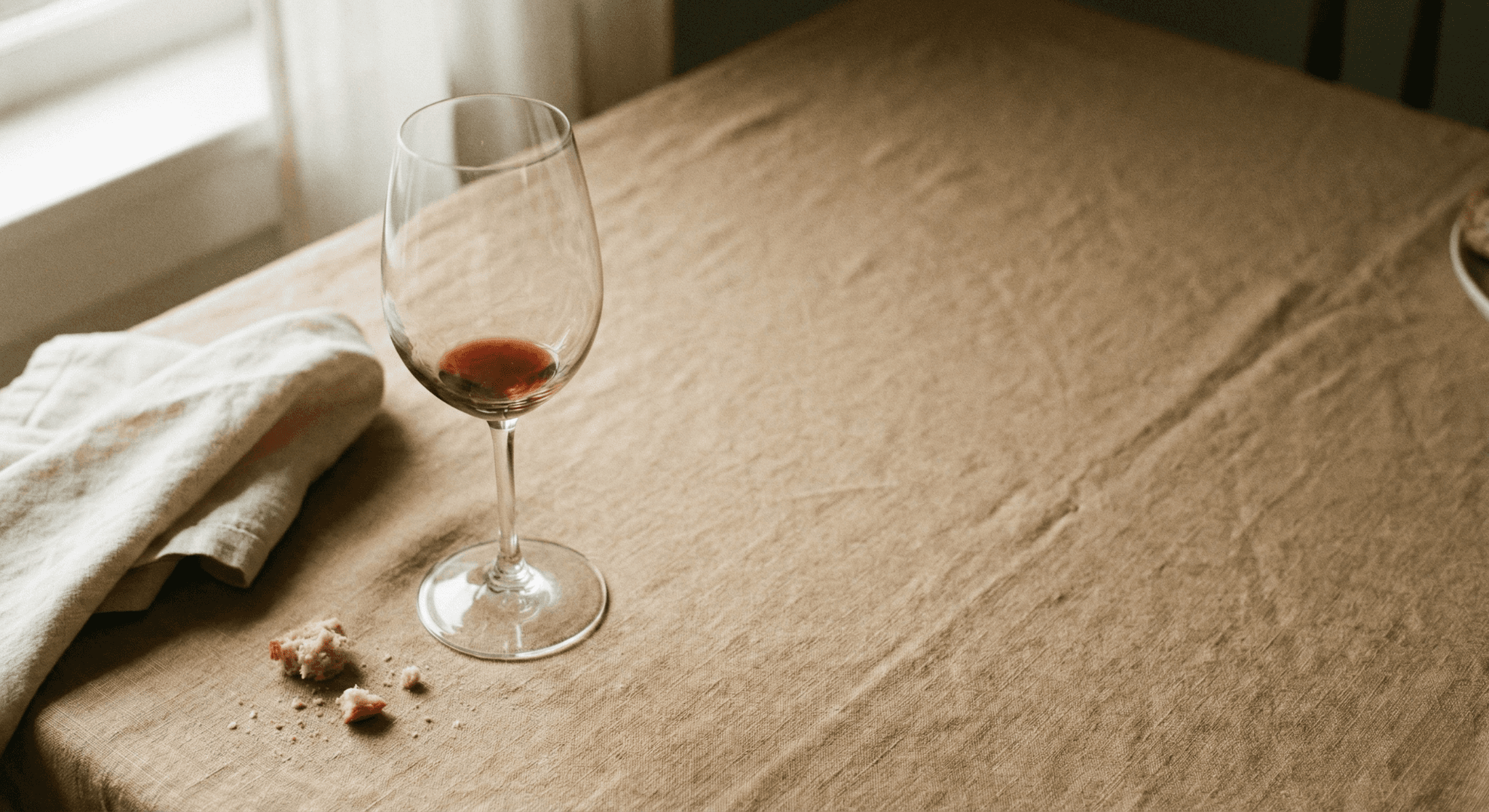
The glass is empty.
The moment isn't.
How it lingers
You're sitting with people you love. The first bottle is open. Someone says something about the nose—something unexpected. Someone else disagrees. The conversation drifts, circles back, drifts again.
By the third pour, you've stopped analyzing. You're just... there. Present. The wine is part of it, but it's not the thing.
Afterglass captures what lingers after moments like these. Not the scores. Not the labels. The feeling of being somewhere, with someone, tasting something together.
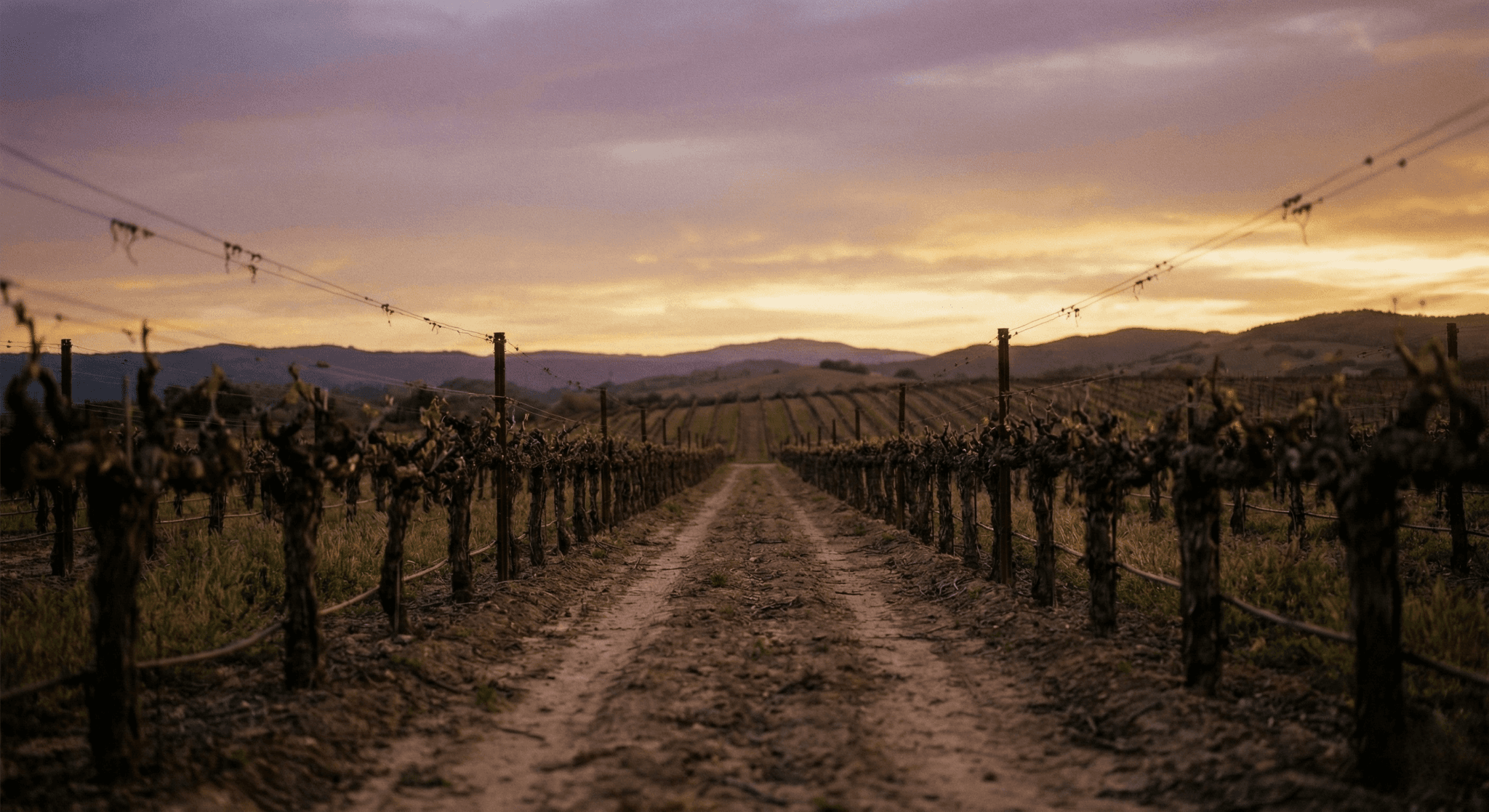
Weeks later, you open the app. There it is: the vineyard where you stood in the wind. The note your friend left about the second wine. The photo you forgot you took.
Years later, it's still there. A small archive of the people you were, together.
SHARED, PERSONAL, OPTIONAL
Everyone participates differently. That's the point.
One person takes detailed notes, cataloging aromas and structure. Another adds a single word: "Yes." Someone else just listens, happy to be included without needing to perform.
The certified taster and the curious newcomer sit at the same table. Neither has to justify their presence. Neither has to adjust.
Silence is welcome here. You can be part of a shared moment without saying anything at all.
Expertise doesn't dominate. It coexists.
Memory Objects
Some things deserve to be kept.
SESSIONS
A shared tasting becomes a shared record. Everyone's notes, photos, and impressions, woven together into something you can revisit. Not a feed. A keepsake.
JOURNEYS
Your personal path through wine, unfolding over time. The regions you've explored. The palate you're developing. The preferences you didn't know you had until you looked back.
ARTIFACTS
The things you choose to keep or share. A tasting card for a wine that moved you. A photo album from a trip. A note from someone who saw the same wine differently.
These aren't features. They're the residue of real moments.
Who it's for
She's been to a hundred tastings and remembers maybe three. Not because she wasn't paying attention—because there was nothing to hold onto afterward. Now she opens Afterglass before the corkscrew. Not to rate. To remember.
He has two letters after his name and thirty years in the industry. He doesn't need the app to tell him what he's tasting. He uses it to see what his friends noticed—the ones who don't have the vocabulary but somehow always find the thing he missed.
They host four friends every month. Same group. Different wines. No pressure. The app captures each evening without interrupting it. In December, they look back at all twelve. It's less about wine than they thought.
She pours wine for strangers every day. Most names slip away by evening. But some guests come back, and now she knows: the couple from Austin who loved the Viognier, the woman who cried at the reserve tasting, the group that stayed until close. The ones who mattered.
He doesn't know Burgundy from Bordeaux. Doesn't need to. His sister invited him to a tasting, and he's just happy to be there. He adds one note the whole afternoon: "Good day." That's enough. That's everything.